
Choosing the right tile flooring bathroom solution is one of the most impactful decisions you’ll make during a remodel. Bathroom floors must balance durability, water resistance, safety, and style to ensure long-lasting performance and comfort. Tile remains one of the top choices among homeowners because it offers endless design options and superior moisture protection when installed correctly.
At Refresh Remodeling, we help homeowners throughout the Piedmont Triad and Greater Charlotte NC areas select the best tile flooring solutions that match design goals, practical needs, and budget.
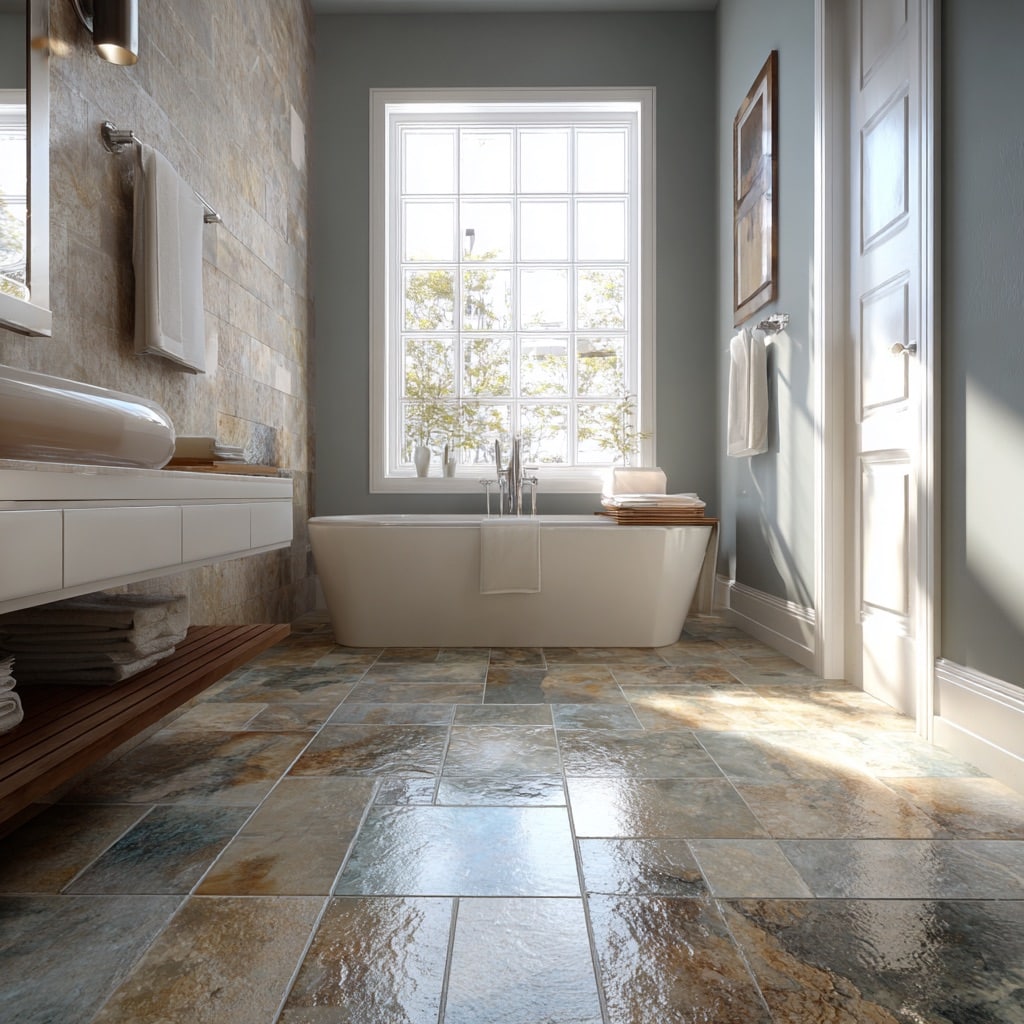
Why Tile Is a Top Choice for Bathroom Flooring
Tile is ideal for bathrooms because it excels in areas where moisture, humidity, and daily wear present challenges:
- Water Resistance: Bathroom tile is designed to resist moisture, preventing damage to subfloors and structural elements.
- Durability: Properly installed tile can last decades, even with regular foot traffic.
- Style Variety: Tile comes in endless colors, patterns, textures, and sizes, making it possible to suit traditional, modern, or transitional design preferences.
- Maintenance: Tile is typically easy to clean with routine sweeping and mopping.
Even beyond those benefits, tile supports design flexibility, from classic subway patterns to large-format porcelain and decorative mosaics that personalize your space.

Top Tile Materials for Bathroom Flooring
1. Ceramic Tile
Ceramic is made from natural clay fired at high temperatures. It’s a popular entry-level tile that works well in most bathrooms.
Pros:
- Budget-friendly
- Wide range of colors and patterns
- Easy to clean
Cons:
- Can be cold underfoot
- Some glazed finishes may become slippery when wet
Best For: Homeowners seeking affordable style without sacrificing performance.
2. Porcelain Tile
Porcelain tiles are denser and harder than standard ceramic, with a very low absorption rate (often less than 0.5%), making them ideal for wet areas like bathrooms.
Pros:
- Very durable and water-resistant
- Can mimic stone, wood, or other textures
- Long lifespan
Cons:
- Higher material cost
- Professional installation recommended due to density and cutting requirements
Best For: Bathrooms where durability and longevity are top priorities.
3. Natural Stone Tile
Natural stone (like marble, slate, granite, or travertine) adds luxury and visual depth. While stunning, stone tiles require careful sealing to resist moisture and staining.
Pros:
- Unique, high-end look
- Adds value and character
Cons:
- Higher maintenance
- Regular sealing needed
Best For: High-end bathroom designs where appearance is a focal point.
4. Glass Tile
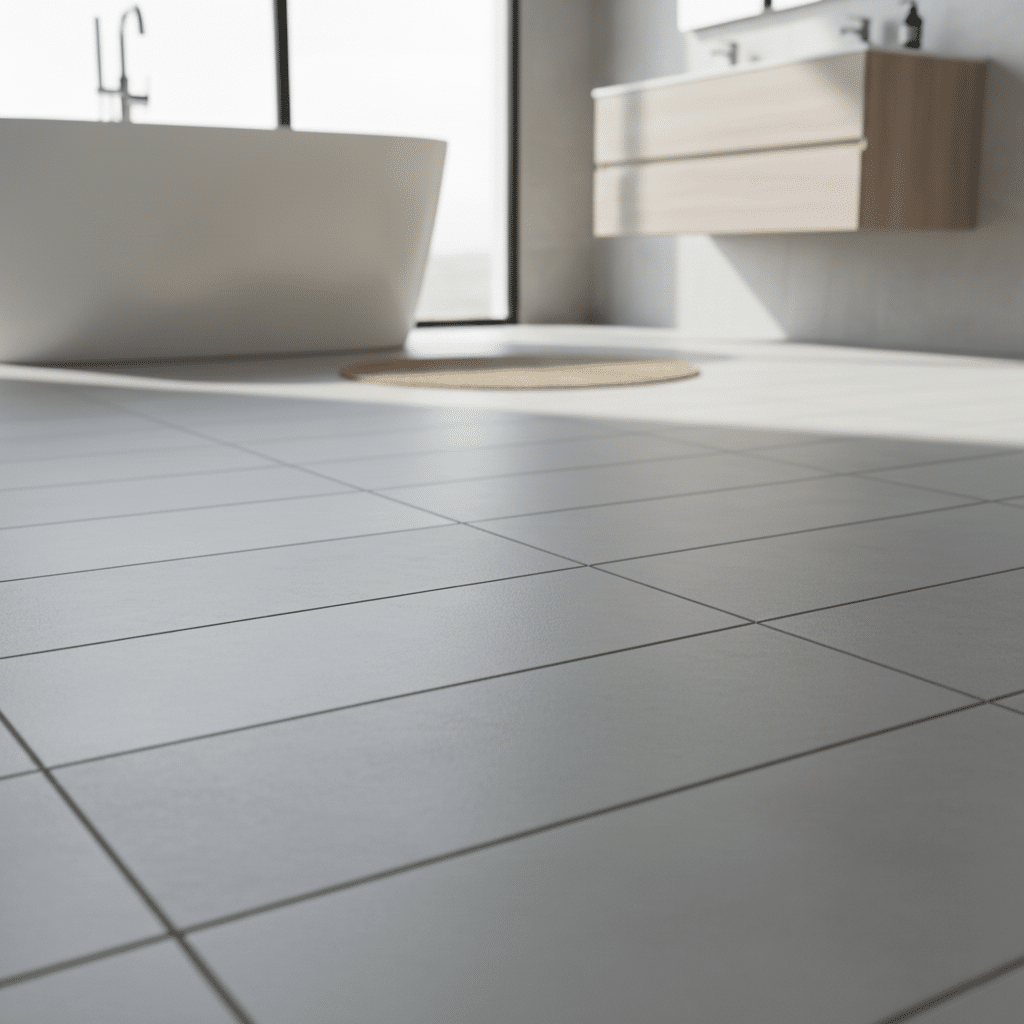
Glass tiles offer a reflective, modern surface that can brighten bathrooms and inject visual interest. They are often used as accents or floor detail elements.
Pros:
- Moisture-resistant and easy to clean
- Great for accenting or making a small space feel larger
Cons:
- Can be slippery if used alone on floors
- Needs careful placement and grout selection
Best For: Accent features or areas where visual impact is desired.
Key Considerations When Choosing Bathroom Tile
Moisture and Water Resistance
Choose tile types that are designed for wet environments. Both porcelain and ceramic handle moisture well, while some natural stones need sealing.
Slip Resistance
Bathroom floors can get slippery when wet. Tiles with a textured surface or higher slip resistance ratings (COF) improve safety, especially around showers and tubs.
Tile Size and Scale
Large-format tile can make a small bathroom appear larger, and fewer grout lines mean less visual interruption. Smaller tiles or mosaic patterns can add texture but may require more upkeep.
Color and Design Coordination
Light colors and subtle patterns often make spaces feel brighter and larger. Dark or bold patterns can add drama in spacious bathrooms. Consider how your tile pairs with wall color, vanity finishes, and fixtures.
Maintenance Requirements
Ceramic and porcelain are easier to maintain, while natural stone may require periodic sealing. Regular cleaning helps keep grout lines and tile surfaces looking new.
Design Tips to Elevate Your Tile Flooring Bathroom
Here are ideas to help you get more aesthetic and functional impact from your tile:
- Contrast Grout: Use a slightly darker grout color with light tile to add visual definition.
- Mixed Tile Layouts: Pair floor tile with different wall tile patterns for interest without clashing. Experts note contrasting wall and floor tiles can add depth and definition to a bathroom design.
- Accent Borders: A row of accent tiles around the perimeter can define space and create a finished feel.
- Slip-Resistant Options: Use textured or matte tiles near shower areas to reduce slip risk.
Professional Installation vs. DIY
While some homeowners consider DIY tile installation, bathrooms present unique challenges:
- Moisture Management: Proper waterproofing and subfloor preparation are essential to avoid future damage.
- Precision Needed: Tile requires precise cuts, alignment, and grout application.
- Warranty and Longevity: Professional installation helps ensure your tile flooring lasts and may include workmanship warranties.
Professional tile installers, like the team at Refresh Remodeling, handle these technical aspects efficiently and can help you avoid costly mistakes later.

Frequently Asked Questions (FAQ)
What makes tile better than other bathroom flooring options?
Tile is non-porous, moisture-resistant, and available in a wide range of styles and durability levels, making it a top choice for bathroom floors.
Can bathroom tile feel cold?
Yes. Tile can feel cool underfoot, especially in colder climates. Pairing tile with radiant heating systems increases comfort.
Is porcelain better than ceramic for bathrooms?
Porcelain is denser and more water-resistant than ceramic, making it a slightly more durable choice when moisture exposure is high.
How often should bathroom grout be sealed?
Grout sealing frequency depends on product type and usage, but sealing every 1–2 years helps maintain stain resistance.
Do I need underlayment for bathroom tile?
Yes. A proper underlayment and moisture barrier are essential to prevent water infiltration and future tile problems.
Transform Your Bathroom with Expert Tile Flooring
Choosing the right tile flooring bathroom transforms both the look and function of your space. At Refresh Remodeling, we’ve guided countless homeowners in the Piedmont Triad and Greater Charlotte NC areas to select and install tile flooring that balances beauty, durability, and long-term performance. Whether you want timeless porcelain, elegant natural stone, or custom patterns, our design and installation team is ready to help you bring your vision to life. Reach out to explore options, get samples, and plan your next bathroom makeover with confidence.

Want to remodel your own home?
Posted in Bathroom Remodel